



Why HVAC Mold Removal Matters for Your Home
Your HVAC system circulates air throughout your entire home. When moisture builds up inside components such as the evaporator coil, drain pan, or ductwork, it can create conditions that allow mold to grow.
Mold spores can then travel through the air distribution system and circulate indoors. While not every HVAC system develops mold, high humidity levels, poor drainage, and restricted airflow significantly increase the risk – especially in the humid climate of the Carolinas and Southeast.
Professional HVAC mold removal focuses on eliminating contamination at the source while improving system conditions to prevent recurrence. According to the EPA, a mold-contaminated HVAC system should not be operated until it has been properly remediated, as it could spread mold spores throughout the entire building.
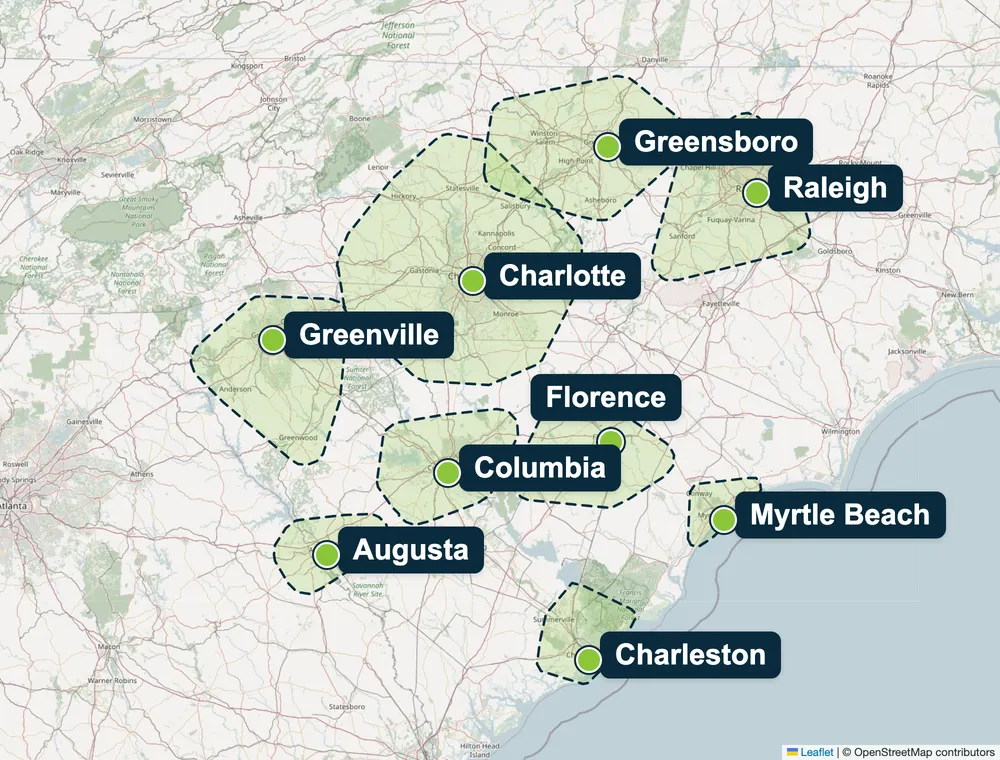
This is why homeowners across Charlotte, Waxhaw, Greensboro, and surrounding areas trust professional HVAC mold removal companies like Air Flow Solutions to handle the job safely and thoroughly.
How Mold Develops Inside HVAC Systems
Mold requires three main conditions to grow: moisture, organic material, and moderate temperature. HVAC systems naturally provide airflow and temperature regulation, and dust that accumulates inside the system can serve as a food source for mold colonies.
Common Areas Where HVAC Mold Grows
Mold in HVAC systems does not occur randomly. It targets specific components where moisture tends to accumulate:
- Evaporator coils – These coils cool warm air and naturally attract condensation, making them one of the most common locations for mold growth in HVAC systems
- Drain pans – When water pools in the drain pan rather than flowing out properly, it creates a stagnant moisture source that supports microbial growth
- Air handler cabinets – The enclosed, dark interior of the air handler provides an ideal environment for mold when combined with any moisture intrusion
- Interior duct surfaces – Mold can colonize the interior walls of ductwork, especially in sections where insulation has been exposed to moisture
- Insulation near moisture exposure – Fiberglass insulation inside ductwork absorbs moisture and becomes nearly impossible to clean once mold takes hold
- Supply and return vents – Condensation around vent openings can lead to visible mold growth that also spreads deeper into the system
If condensation is not draining properly or humidity levels remain consistently high, mold growth can begin within 24 to 72 hours and spread progressively over time.
Why the Southeast Climate Increases HVAC Mold Risk
Homes in Charlotte, NC and the surrounding Carolinas region experience long periods of high humidity – particularly during the spring and summer months. This creates persistent condensation inside HVAC ductwork and air handling components. Combined with warm temperatures and organic dust buildup, the environment inside your HVAC system becomes an ideal habitat for mold growth.
Signs Your HVAC System May Have Mold
Many homeowners first suspect mold when they notice changes in indoor air or unusual odors. Recognizing the early warning signs can help you address the problem before it becomes widespread.
Warning Signs of Mold in Your HVAC System
- Musty or earthy smell when the system turns on – This is one of the most common and earliest indicators of mold inside your ductwork or air handler
- Increased allergy symptoms indoors – If family members experience sneezing, itchy eyes, congestion, or respiratory irritation that improves when they leave the house, mold in the HVAC system may be the cause
- Visible mold growth near vents or registers – Dark spots or discoloration around supply or return vents often indicate mold colonization within the ductwork
- Dark residue around duct openings – A ring of dark residue around vent covers can signal that mold spores are being circulated through the system
- Excess humidity inside the home – Persistent indoor humidity above 60% creates conditions favorable for mold growth throughout the HVAC system
- Condensation buildup around HVAC components – Visible moisture on or around the air handler, ductwork, or vents is a strong indicator that mold-friendly conditions exist
- Worsening asthma symptoms – For household members with asthma, exposure to mold spores circulated by the HVAC system can trigger flare-ups and breathing difficulties
If you notice any of these signs, a professional HVAC mold inspection can determine whether mold is present and recommend appropriate removal steps. At Air Flow Solutions, our specialists provide thorough system evaluations to identify contamination and its source.

Our HVAC Mold Removal Process
Mold in your HVAC system is more than an inconvenience – it is a potential health concern for everyone in your household. When mold grows inside ductwork and air handling components, spores are distributed through the ventilation system into every room of your home.
Who Is Most at Risk?
According to the EPA and the CDC, certain groups are more vulnerable to the effects of mold exposure:
- Children and infants – Developing respiratory systems are more sensitive to airborne irritants
- Elderly individuals – Weakened immune systems may have more difficulty coping with mold exposure
- People with asthma or allergies – Mold spores can trigger attacks and worsen existing conditions
- Individuals with compromised immune systems – Organ transplant recipients, chemotherapy patients, and others with reduced immunity face higher risks
- People with chronic respiratory conditions – COPD, bronchitis, and other lung conditions can be aggravated by mold spore exposure
Common Health Effects Associated with HVAC Mold
Exposure to mold spores circulated through HVAC systems has been associated with:
- Allergic reactions including sneezing, runny nose, and red eyes
- Skin irritation and rashes
- Respiratory symptoms such as coughing, wheezing, and shortness of breath
- Aggravation of asthma symptoms
- Sinus congestion and headaches
- Fatigue and general discomfort
Important note: If you or a family member is experiencing persistent health symptoms that you believe may be related to indoor air quality, we recommend consulting with a healthcare professional. Air Flow Solutions can help assess your HVAC system, but medical evaluation should be handled by a qualified physician.
HVAC Mold Removal and Indoor Air Quality
Because HVAC systems distribute air throughout the home, contamination inside the system can affect overall indoor air conditions in every room. Removing mold from key components helps reduce the circulation of mold spores and improves the air your family breathes.
Benefits of Professional HVAC Mold Removal
Improved system cleanliness supports:
- Cleaner indoor air – Eliminating mold from the HVAC system reduces the volume of airborne spores circulating through your home
- Reduced odor issues – Musty smells caused by mold growth are eliminated at the source, not simply masked
- More efficient airflow – Mold buildup on coils and inside ducts restricts airflow, forcing your system to work harder and consume more energy
- Improved comfort – A clean HVAC system delivers more consistent heating and cooling performance
- Extended system lifespan – Mold contamination can accelerate wear on HVAC components; professional removal helps protect your investment
- Lower energy bills – Restored airflow efficiency means your system runs less to maintain desired temperatures
Addressing HVAC mold early prevents widespread contamination and potential long-term damage to both your health and your home.
Our Professional HVAC Mold Removal Process
At Air Flow Solutions, HVAC mold removal begins with a comprehensive evaluation of the system. Our step-by-step process is designed to not only remove existing mold but to identify and address the root causes that allowed mold to develop.
Step 1: Comprehensive System Inspection
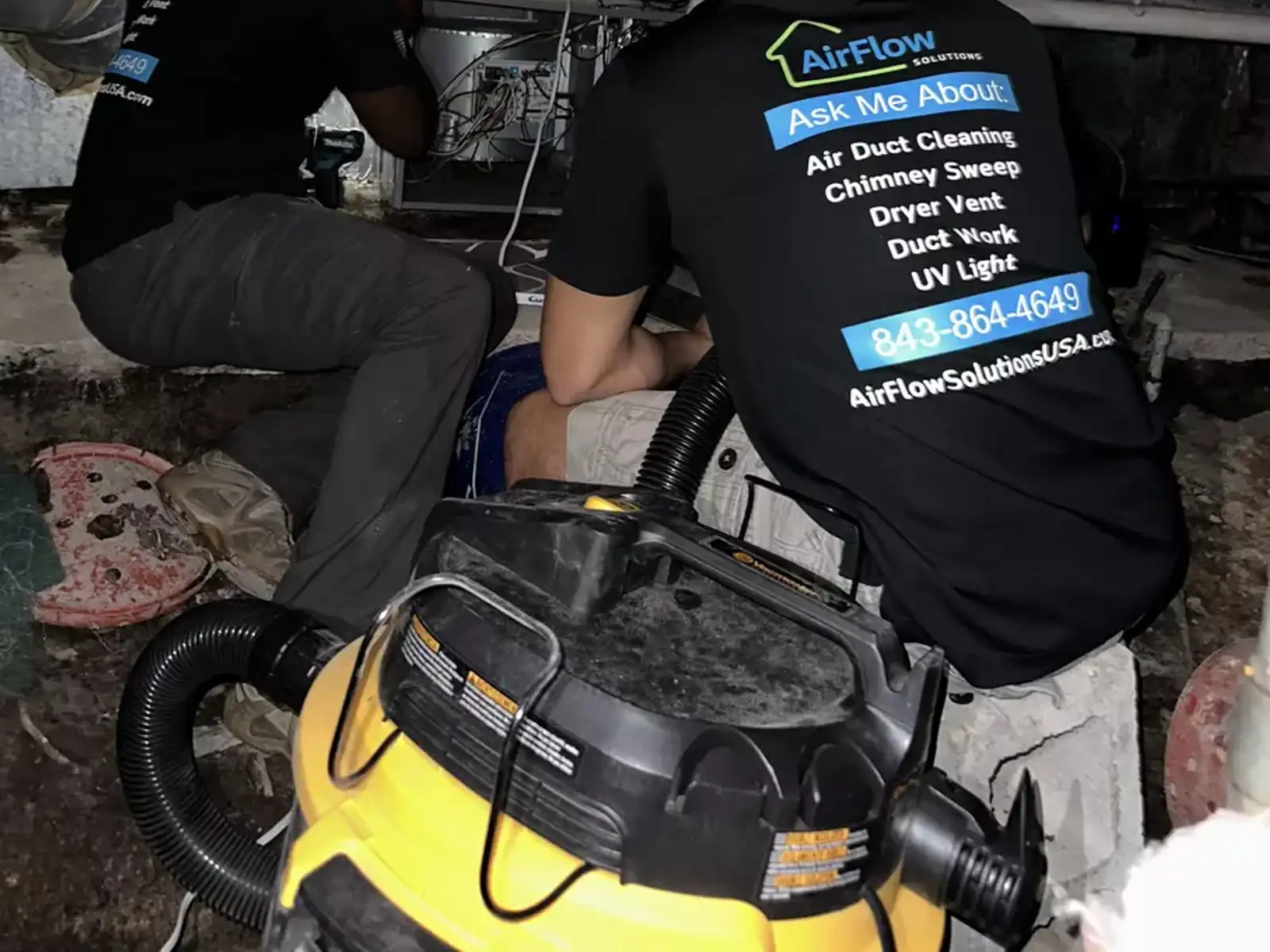
Our HVAC mold removal specialists assess the air handler, evaporator coils, drain components, and visible ductwork to identify contamination and moisture sources. We use professional inspection tools to evaluate areas that are not visible to the naked eye, including the interior of ductwork and behind access panels.
Step 2: Containment and Protection
Before any cleaning begins, we take steps to prevent cross-contamination. This includes isolating the work area and protecting your home’s interior from any dislodged mold spores during the removal process – in line with NADCA (National Air Duct Cleaners Association) recommendations.
Step 3: Controlled Mold Removal
Using specialized tools and professional-grade cleaning solutions, we remove mold growth from all affected HVAC components. Our technicians clean evaporator coils, drain pans, air handler interiors, and duct surfaces using methods that effectively eliminate mold without damaging your system.
Step 4: Antimicrobial Surface Treatment
After physical mold removal, approved EPA-registered antimicrobial treatments are applied to affected surfaces to help inhibit future microbial growth. We use only products that are approved for use inside HVAC systems and safe for residential environments.
Step 5: Drainage and Moisture Correction
Mold removal is only effective when combined with moisture control. Our team evaluates drainage performance, condensate line functionality, and identifies any conditions contributing to excess moisture in your system.
Step 6: Final System Review and Testing
After removal, we verify system cleanliness and airflow performance. We conduct a final walkthrough with you to explain our findings, the work completed, and recommendations for ongoing prevention.
Our goal is not only to remove visible mold but to address the conditions that allowed it to form – providing you with long-term peace of mind.
HVAC Mold Removal vs. DIY Cleaning
Many homeowners wonder whether they can clean mold from their HVAC system themselves. While minor surface cleaning around vents is possible, the EPA recommends hiring a qualified professional for any mold that has entered the HVAC system itself.
DIY vs. Professional HVAC Mold Removal – Comparison Table
Factor | DIY Cleaning | Professional HVAC Mold Removal |
Access to internal components | Limited to visible surfaces around vents and registers | Full access to evaporator coils, drain pans, air handler interiors, and deep ductwork |
Mold detection | Visual inspection only – hidden mold inside ducts and air handler goes undetected | Professional inspection tools identify mold in areas not visible to the naked eye |
Containment | No containment – spores can spread to other rooms during cleaning | Proper containment protocols prevent cross-contamination per NADCA guidelines |
Cleaning effectiveness | Surface cleaning only – mold root system (mycelium) remains intact | Complete removal of mold colonies from all affected HVAC components |
Antimicrobial treatment | Consumer products not rated for HVAC system use | EPA-registered antimicrobial products designed specifically for HVAC environments |
Moisture source correction | Not addressed – mold returns within weeks | Drainage evaluation and moisture correction included to prevent recurrence |
Safety | Risk of spore exposure without proper PPE | Technicians use appropriate protective equipment and safe work practices |
Warranty / guarantee | None | Professional service backed by company guarantee |
Why DIY HVAC Mold Cleaning Falls Short
- Limited access – Most HVAC mold grows in areas that are difficult or impossible to reach without professional tools, including deep inside ductwork, on evaporator coils, and inside the air handler
- Risk of spreading spores – Improper cleaning can dislodge mold spores and spread them to previously uncontaminated areas of your home
- Incomplete removal – Surface cleaning may remove visible mold but leave the root system (mycelium) intact, allowing rapid regrowth
- No moisture correction – Without identifying and resolving the underlying moisture source, mold will return regardless of cleaning efforts
- Potential health exposure – Disturbing mold colonies without proper protective equipment can result in significant spore exposure
When to Call a Professional HVAC Mold Removal Specialist
You should contact a professional HVAC mold removal company if:
- You see or smell mold inside your HVAC system or around vents
- Mold covers more than 10 square feet (per EPA guidelines)
- The mold was caused by contaminated water (flooding or sewage)
- You or family members are experiencing health symptoms related to indoor air quality
- Previous cleaning attempts have not resolved the problem
Air Flow Solutions provides expert HVAC mold removal services with trained technicians who follow industry-standard protocols to ensure safe, thorough remediation.
HVAC Mold Removal Cost - What to Expect
One of the most common questions homeowners ask is how much professional HVAC mold removal costs. The answer depends on several factors specific to your home and system.
Factors That Affect HVAC Mold Removal Cost
- Extent of contamination – A small mold colony on a drain pan costs less to remediate than widespread mold throughout the entire duct system
- System size and complexity – Larger homes with more ductwork, multiple zones, or complex HVAC configurations require more time and effort
- Accessibility – HVAC components located in attics, crawl spaces, or tight areas may require additional labor
- Type of treatment required – Some situations call for antimicrobial application, component replacement, or insulation removal in addition to cleaning
- Moisture correction needs – If drain line repairs, insulation replacement, or other corrective work is needed, this may add to the total cost
Typical HVAC Mold Removal Cost Ranges
The table below provides general cost ranges for common HVAC mold removal scenarios. Actual pricing may vary based on your specific system and the scope of contamination. Air Flow Solutions provides free, no-obligation estimates for accurate project pricing.
Service Type | Typical Cost Range | What’s Included |
HVAC mold inspection | $0 (free with Air Flow Solutions) | Visual and tool-assisted inspection of air handler, coils, drain components, and accessible ductwork |
Localized mold removal (drain pan, small coil area) | $300 – $700 | Cleaning and antimicrobial treatment of a single component with limited mold growth |
Standard HVAC mold removal (coils + air handler + ductwork) | $700 – $1,500 | Full cleaning and treatment of primary HVAC components including evaporator coils, air handler cabinet, and connected ductwork |
Extensive duct system mold remediation | $1,500 – $3,500+ | Comprehensive mold removal from entire duct system, including supply and return lines, trunk lines, and all HVAC components |
Mold removal with component replacement (insulation, drain pan, etc.) | $2,000 – $4,000+ | Full remediation plus replacement of damaged or non-cleanable components such as interior duct insulation or corroded drain pans |
Moisture correction add-on (drain line repair, dehumidification) | $150 – $500+ | Condensate line clearing, drain pan repair, or dehumidification recommendations to prevent mold recurrence |
Note: These ranges are industry-typical estimates and are provided for informational purposes. Contact Air Flow Solutions for a personalized free estimate based on your specific situation.
What’s Included in Our Service
Air Flow Solutions provides transparent pricing with no hidden fees. Our HVAC mold removal service typically includes:
- Full system inspection and contamination assessment
- Professional mold removal from all affected components
- Antimicrobial treatment application
- Drainage and moisture evaluation
- Final performance review and prevention recommendations
We offer free estimates for all HVAC mold removal services. Contact us to schedule an inspection, and we will provide a detailed scope of work and pricing before any work begins.
Air Duct and HVAC Mold Removal Services We Offer
Air Flow Solutions provides comprehensive air duct and HVAC mold removal services designed to address mold at every point in your heating and cooling system. Our services include:
Residential HVAC Mold Removal
Complete mold remediation for home HVAC systems, including single-family homes, townhomes, and condominiums. We service all major HVAC brands and system types.
Air Duct Mold Removal
Targeted mold removal from HVAC ducts, including supply ducts, return ducts, and trunk lines. Our technicians use professional equipment to access and clean the full length of your ductwork.
Evaporator Coil Cleaning and Mold Removal
The evaporator coil is one of the most common sites for mold growth in HVAC systems. We clean and treat coils to remove existing mold and inhibit future contamination.
Drain Pan and Condensate Line Service
Clogged drain pans and condensate lines are primary moisture sources for HVAC mold. We clean, clear, and evaluate these components as part of every mold removal project.
Air Handler Mold Remediation
The air handler cabinet is an enclosed environment that can harbor significant mold growth. We clean and treat the interior of air handlers to restore clean operating conditions.
Post-Remediation Verification
After completing mold removal, we verify that all affected areas have been properly cleaned and that airflow performance has been restored.
The Importance of Moisture Control
Mold removal is only effective when combined with moisture control. Without correcting humidity or drainage problems, mold may return – sometimes within weeks.
Common Moisture Issues in HVAC Systems
Professional evaluation ensures that underlying issues contributing to mold growth are addressed as part of the solution:
- Clogged condensate drain lines – Blocked drain lines cause water to back up into the drain pan and overflow into the air handler, creating a persistent moisture source
- Improper insulation – When duct insulation is damaged or insufficient, condensation forms on the exterior of ductwork and can seep inside
- Oversized or undersized HVAC systems – Improperly sized units may cycle too quickly to adequately dehumidify the air, leaving excess moisture inside the system
- Airflow imbalance – Restricted airflow caused by dirty filters, blocked vents, or poor duct design can create pockets of stagnant, humid air where mold thrives
- High indoor humidity – Homes without adequate ventilation or dehumidification may maintain humidity levels above 60%, which the EPA identifies as a threshold for mold risk
At Air Flow Solutions, moisture control is an integral part of every HVAC mold removal project. We do not simply clean mold – we work to prevent it from returning.
Why Homeowners Choose Air Flow Solutions
Air Flow Solutions focuses on accurate diagnosis and safe removal methods. We provide clear explanations of findings and realistic recommendations – not upsells or scare tactics.
Our Commitment to Quality
Homeowners trust us because:
- We perform detailed system inspections – Every HVAC mold removal project begins with a thorough evaluation to understand the full scope of the problem
- We identify root causes of moisture buildup – We don’t just clean mold; we find out why it grew and help prevent it from returning
- We use professional cleaning methods – Our technicians follow NADCA guidelines and use EPA-registered antimicrobial products
- We prioritize safety and system performance – We protect your home during the cleaning process and verify system performance after remediation
- We focus on long-term prevention – Our goal is to solve the problem permanently, not provide a temporary fix
- We offer transparent pricing – Free estimates, no hidden fees, and clear communication throughout the process
- We are locally owned and operated – We live and work in the communities we serve and are committed to building lasting relationships with our customers
Our Service Promise
At Air Flow Solutions, every HVAC mold removal project is handled with professionalism, attention to detail, and genuine care for your home and family’s health. We stand behind our work and are not satisfied until you are.


Why Homeowners Choose Air Flow Solutions
Air Flow Solutions focuses on accurate diagnosis and safe removal methods. We provide clear explanations of findings and realistic recommendations.
Homeowners trust us because:
• We perform detailed system inspections
• We identify root causes of moisture buildup
• We use professional cleaning methods
• We prioritize safety and system performance
• We focus on long term prevention
Our approach ensures that HVAC mold removal is handled thoroughly and responsibly.