



Why Attic Insulation Is So Important
The attic is one of the primary areas where homes lose energy. Without adequate insulation, heated or cooled air escapes through the ceiling and roof structure, forcing your HVAC system to work harder to maintain consistent indoor temperatures. According to the U.S. Department of Energy, an under-insulated attic can account for up to 25% of a home’s total energy loss.
Attic insulation creates a thermal barrier between your living space and the outside environment. In colder months, it helps retain warmth inside the home. During warmer seasons, it prevents excessive heat from entering through the roof. This thermal regulation is especially important in the Southeast, where Charlotte, NC and surrounding areas experience both hot, humid summers and cool winters.
When insulation levels are insufficient or deteriorated, homeowners often experience temperature fluctuations, rising energy bills, and uneven comfort between rooms. The EPA estimates that homeowners can save an average of 15% on heating and cooling costs by properly insulating and air sealing their homes — with attic insulation being one of the most impactful improvements.
Professional attic insulation installation ensures your home meets recommended thermal standards, operates efficiently, and provides consistent comfort year-round.
Signs Your Attic May Need New Insulation
Many homes – especially those built more than 15–20 years ago – have insulation that is outdated, compressed, unevenly distributed, or damaged by moisture, pests, or time. Recognizing the warning signs helps you address the problem before energy costs climb and comfort declines.
Warning Signs That Your Attic Insulation Needs Attention
- High energy bills without increased usage – If heating and cooling costs are rising but your habits haven’t changed, insufficient attic insulation may be allowing conditioned air to escape
- Uneven temperatures between floors – When the upstairs is noticeably warmer or cooler than the main floor, inadequate attic insulation is often the cause
- Rooms that feel too hot in summer – Heat radiating through a poorly insulated attic can make upper-level rooms uncomfortable even with the AC running
- Rooms that feel too cold in winter – Without sufficient insulation, warm air escapes through the ceiling and roof, leaving rooms drafty and difficult to heat
- Drafts near ceilings or recessed lighting – Air leaks around attic penetrations allow conditioned air to escape and outdoor air to enter
- Older insulation that appears thin or compacted – Fiberglass batt insulation loses effectiveness as it compresses over time; if your insulation is less than 10–12 inches deep, it likely falls below recommended levels
- Visible moisture, mold, or pest damage in the attic – Contaminated or damaged insulation should be removed and replaced to restore thermal performance and protect indoor air quality
- Ice dams in winter (in applicable climates) – Poor attic insulation allows heat to escape through the roof, melting snow that refreezes at the eaves and causes water damage
- HVAC system running constantly – When insulation is inadequate, your heating and cooling system runs longer cycles to compensate, increasing wear and energy consumption
A professional attic insulation evaluation from Air Flow Solutions can determine whether your attic meets recommended insulation levels and identify the most effective solution.
Types of Attic Insulation
Choosing the right type of attic insulation depends on your attic’s structure, existing conditions, performance goals, and budget. Each insulation material offers different R-values (thermal resistance), installation methods, and cost profiles.
Attic Insulation Types Comparison
Insulation Type | R-Value Per Inch | Cost Per Sq Ft (Installed) | Best For | Key Characteristics |
Blown-in fiberglass | R-2.2 – R-2.7 | $1.00 – $2.50 | Most attics; adding to existing insulation | Even coverage across attic floors and hard-to-reach areas; lightweight; non-combustible; does not retain moisture |
Blown-in cellulose | R-3.2 – R-3.8 | $1.20 – $3.00 | Retrofitting older homes; eco-friendly option | Made from recycled materials; excellent at filling gaps; higher R-value per inch than fiberglass; may settle over time |
Fiberglass batt | R-3.0 – R-3.8 | $0.80 – $2.60 | Structured attic spaces with standard joist spacing | Pre-cut panels installed between joists; affordable and widely available; less effective in irregularly shaped spaces |
Spray foam (open-cell) | R-3.5 – R-3.9 | $1.50 – $3.50 | Air sealing + insulation combined | Expands to fill gaps and cracks; excellent air barrier; lower R-value than closed-cell but more affordable |
Spray foam (closed-cell) | R-6.0 – R-6.5 | $3.00 – $7.00 | Maximum R-value; moisture-prone areas | Highest R-value per inch; acts as vapor barrier and air barrier; most expensive option; requires professional installation |
Rigid foam board | R-4.0 – R-6.5 | $3.00 – $5.50 | Attic hatches, knee walls, specific applications | High R-value per inch; moisture resistant; often used for targeted areas rather than full attic floors |
Reflective / radiant barrier | Varies (reduces radiant heat gain) | $0.50 – $1.50 | Hot climates; attic temperature reduction | Reflects radiant heat rather than absorbing it; most effective in warm climates; typically paired with other insulation types |
Note: Costs are industry-typical ranges and may vary by region, project size, and contractor. Contact Air Flow Solutions for pricing specific to your home.
Blown-In Insulation
Blown-in insulation is the most popular choice for attic insulation installation because it provides even coverage across attic floors and fills hard-to-reach areas around pipes, wiring, and irregular joist spacing. It is commonly used to improve existing insulation levels by adding additional depth on top of current material.
At Air Flow Solutions, we install high-quality blown-in fiberglass insulation that provides consistent coverage, excellent thermal performance, and long-term durability.
Fiberglass Batt Insulation
Batt insulation consists of pre-cut panels of fiberglass that are installed between attic joists. It works well in structured spaces with standard framing and provides a cost-effective solution for homes that need complete insulation installation or replacement.
Insulation Upgrades
In homes with insufficient insulation, additional layers may be added on top of existing material to meet recommended thermal standards – provided the current insulation is dry, clean, and in good condition. If existing insulation is contaminated by mold, pests, or moisture, removal and replacement is recommended before installing new material.
The appropriate insulation solution depends on your attic’s layout, existing material condition, local climate zone requirements, and energy performance goals. Air Flow Solutions evaluates all of these factors during our professional attic inspection.
Our Attic Insulation Process
At Air Flow Solutions, attic insulation is installed with careful attention to airflow, ventilation, and moisture control. Proper insulation is not simply about adding material – it requires balance between thermal protection, ventilation, and air sealing.
Step 1: Detailed Attic Inspection
Our process begins with a comprehensive attic evaluation. We measure existing insulation depth and condition, check for adequate ventilation, identify air leaks, and assess signs of moisture exposure, mold, or pest damage.
Step 2: Air Leak Identification
Before installing insulation, we evaluate common air leak points – including gaps around recessed lights, plumbing penetrations, electrical wiring, HVAC ductwork, and the attic hatch. Sealing these gaps before insulating dramatically improves energy performance.
Step 3: Preparation and Removal (If Needed)
If existing insulation is contaminated, pest-damaged, or degraded beyond effectiveness, we remove it safely and prepare the space for new material. Old insulation that is in good condition can remain in place with new insulation layered on top.
Step 4: Professional Insulation Installation
We install high-quality insulation materials designed to provide consistent, even coverage and long-term thermal performance. Installation ensures there are no gaps, compressed areas, or voids that reduce effectiveness. Proper coverage around obstacles like pipes, wires, and ductwork is critical.
Step 5: Ventilation Verification
We verify that attic ventilation – including soffit vents, ridge vents, and gable vents – remains unobstructed after insulation installation. Proper ventilation prevents moisture buildup and maintains the attic’s thermal balance.
Step 6: Final Review
After installation, we conduct a final review to confirm insulation depth, even distribution, and proper coverage. We provide you with a summary of the work completed and recommendations for ongoing performance.
Our goal is to improve comfort while supporting overall home energy efficiency – not simply to add material without assessing the complete system.

Attic Insulation and Air Sealing
Insulation works best when combined with proper air sealing. Even the best insulation cannot perform at full capacity if conditioned air is escaping through gaps and cracks in the attic floor.
Why Air Sealing Matters
Small gaps around attic penetrations, recessed light fixtures, plumbing stacks, electrical wiring, HVAC ducts, and the attic hatch allow heated or cooled air to escape from your living space into the attic. This air leakage forces your HVAC system to work harder and can account for a significant portion of energy loss.
Common Air Leak Points in Attics
- Recessed light (can) fixtures
- Plumbing vent stacks
- Electrical wire penetrations
- HVAC ductwork connections
- Attic hatch or pull-down stair opening
- Gaps around chimney flashing
- Top plates of interior walls
- Whole-house fan openings
During our attic insulation installation, we evaluate these areas and recommend air sealing improvements where necessary. Sealing air leaks before adding insulation enhances thermal performance, further improves energy efficiency, and can deliver energy savings of 10% to 20% beyond insulation alone.
Benefits of Professional Attic Insulation
Installing proper attic insulation provides measurable, long-lasting benefits that impact your comfort, energy bills, and home value.
Improved Energy Efficiency
Better insulation reduces heat transfer through the ceiling and roof structure, allowing your HVAC system to operate more efficiently. The EPA estimates that proper attic insulation and air sealing can reduce heating and cooling costs by 15% on average.
Lower Utility Costs
Reduced energy loss translates directly to lower monthly heating and cooling expenses. For homes in the Charlotte, NC area, where both summer cooling and winter heating demands are significant, proper attic insulation can save hundreds of dollars annually.
Enhanced Indoor Comfort
With adequate insulation, rooms maintain more stable temperatures throughout the year – eliminating the hot upstairs / cold downstairs effect that plagues many homes with insufficient attic insulation.
Reduced HVAC Strain
When insulation prevents conditioned air from escaping, your heating and cooling system runs shorter cycles and operates under less stress. This extends HVAC system lifespan and reduces the frequency of repairs.
Long-Term Home Protection
Proper insulation helps regulate attic temperatures, reducing thermal stress on roofing materials and preventing moisture-related issues like condensation, mold growth, and wood rot.
Increased Home Value
Energy-efficient upgrades like attic insulation are increasingly valued by homebuyers. Proper insulation is often noted in home energy audits and inspections, contributing to higher appraisal values and faster sales.
How Much Insulation Does Your Attic Need? R-Value Guide
The amount of attic insulation your home needs depends on your climate zone, existing insulation levels, and the type of insulation material used. The U.S. Department of Energy provides recommended R-values (thermal resistance ratings) based on geographic climate zones.
Recommended Attic R-Values by Climate Zone
Climate Zone | Region Examples | Recommended Attic R-Value | Approximate Insulation Depth (Blown-In Fiberglass) |
Zone 1 | Southern Florida, Hawaii | R-30 to R-49 | 10 – 16 inches |
Zone 2 | Southern Texas, Southern Georgia, Coastal Carolinas | R-30 to R-60 | 10 – 20 inches |
Zone 3 | Northern Georgia, Inland Carolinas (including Charlotte, NC area), Tennessee | R-30 to R-60 | 10 – 20 inches |
Zone 4 | Virginia, parts of North Carolina (including Greensboro, NC), Missouri | R-38 to R-60 | 12 – 20 inches |
Zone 5 | Southern Pennsylvania, Ohio, Indiana | R-49 to R-60 | 16 – 20 inches |
Zone 6–8 | Northern US, New England, Mountain states, Alaska | R-49 to R-60 | 16 – 20+ inches |
Source: U.S. Department of Energy and ENERGY STAR recommended insulation levels. Exact requirements may vary by local building code.
What This Means for Charlotte-Area Homeowners
Most homes in the Charlotte, NC metropolitan area fall within Climate Zone 3, where the Department of Energy recommends attic insulation with an R-value of R-30 to R-60. Many older homes in the region have only R-19 to R-30 of existing insulation – well below current recommended levels.
If your attic has less than 10–12 inches of insulation, it likely falls short of the R-38 minimum recommended for this climate zone. A professional evaluation from Air Flow Solutions can measure your current insulation levels and recommend the most cost-effective upgrade to bring your home up to standard.
Attic Insulation Cost – What to Expect
The cost of attic insulation depends on several factors specific to your home, including the size of the attic, the type of insulation selected, existing conditions, and whether removal of old insulation is needed.
Factors That Affect Attic Insulation Cost
- Attic size – Larger attics require more material and labor, directly increasing project cost
- Insulation type – Blown-in fiberglass is the most cost-effective option for most attics; spray foam offers superior performance at a higher price point (see comparison table above)
- Desired R-value – Higher R-values require more material depth, increasing both material and labor costs
- Existing insulation condition – If current insulation needs to be removed due to contamination, pest damage, or moisture issues, removal costs are added to the project
- Air sealing needs – Professional air sealing before insulation installation typically adds $250 to $1,000 depending on the scope of work
- Accessibility – Attics with low clearance, complex layouts, or limited access points require more labor time
- Local labor rates – Labor typically accounts for 50% to 70% of the total project cost
Typical Attic Insulation Cost by Project Type
Project Type | Typical Cost Range | Details |
New blown-in insulation (standard attic, 1,000–1,500 sq ft) | $1,500 – $4,000 | Installation of blown-in fiberglass or cellulose to recommended R-value; includes even distribution and coverage around obstacles |
Insulation top-off / upgrade (adding to existing) | $800 – $2,500 | Additional blown-in insulation layered over existing material in good condition to reach recommended R-value |
Batt insulation installation | $1,000 – $3,500 | Fiberglass batt installation between standard-spaced joists; includes measuring, cutting, and fitting |
Spray foam insulation (open-cell) | $2,000 – $5,500 | Open-cell spray foam applied to attic floor or rafters; excellent air sealing properties |
Spray foam insulation (closed-cell) | $4,000 – $10,000+ | Closed-cell spray foam for maximum R-value and moisture resistance; premium option |
Attic insulation removal | $1.00 – $2.00/sq ft | Safe removal and disposal of old, contaminated, or damaged insulation |
Attic insulation removal + replacement | $2.00 – $5.00/sq ft | Complete removal of old insulation followed by new installation to current standards |
Air sealing add-on | $250 – $1,000 | Professional sealing of air leaks before insulation installation for maximum performance |
Note: These ranges are based on industry-typical pricing and are provided for informational purposes. Actual costs vary by region, contractor, and specific conditions. Contact Air Flow Solutions for a personalized free estimate.
What’s Included in Our Service
Air Flow Solutions provides transparent pricing with no hidden fees. Our attic insulation service includes:
- Comprehensive attic inspection and insulation assessment
- Measurement of existing insulation depth and R-value
- Professional insulation installation with even, complete coverage
- Air leak identification and sealing recommendations
- Ventilation verification
- Final review and performance summary
We offer free attic inspections and estimates. Contact us to schedule an evaluation, and we will provide a detailed scope of work and pricing before any work begins.
Attic Insulation Removal and Replacement
In some cases, existing attic insulation needs to be fully removed before new material can be installed. Attic insulation removal is recommended when:
- Insulation is contaminated by mold – Mold-damaged insulation harbors spores that affect indoor air quality and cannot be effectively cleaned
- Pest infestation has occurred – Rodent droppings, nesting materials, and insect damage compromise insulation performance and create health hazards
- Insulation is water-damaged – Moisture-soaked insulation loses its thermal effectiveness and can promote mold growth
- Old insulation contains hazardous materials – Homes built before the 1980s may contain asbestos-containing insulation that requires professional removal
- Insulation is severely compressed or deteriorated – Insulation that has lost its loft and thickness no longer provides adequate thermal resistance
Our Attic Insulation Removal Process
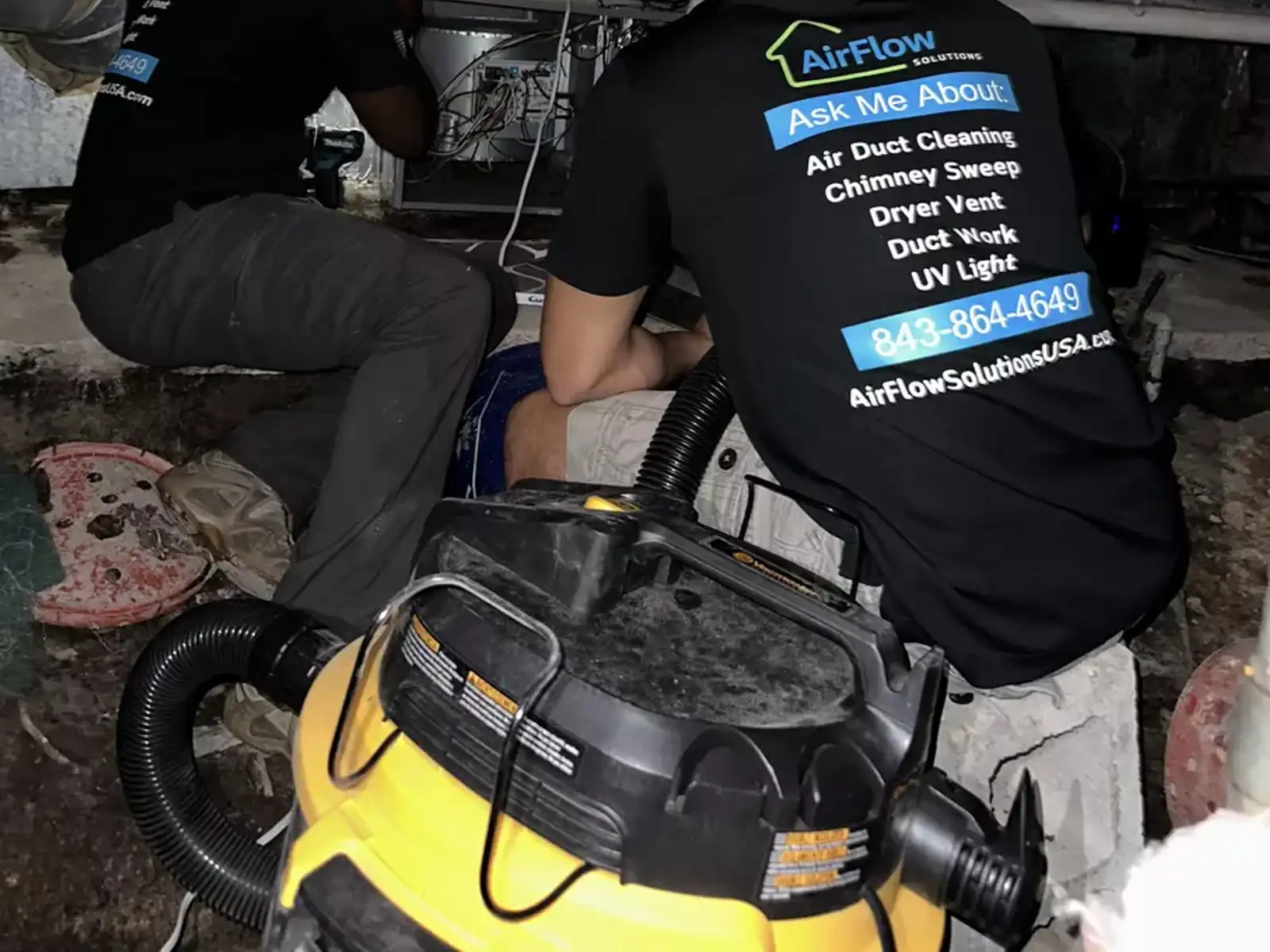
Air Flow Solutions provides professional attic insulation removal services using commercial vacuum equipment that safely extracts old insulation materials and debris. The process includes:
- Assessment – We evaluate the condition of existing insulation and identify any contamination or damage
- Safe removal – Old insulation is vacuumed out of the attic using industrial equipment, minimizing dust and debris exposure
- Cleanup – The attic floor is cleaned and prepared for new insulation
- Air sealing – With the attic floor exposed, we seal air leaks at penetration points for maximum energy performance
- New insulation installation – Fresh, high-quality insulation is installed to meet recommended R-values
Removing contaminated insulation and starting fresh ensures that your new insulation performs at its rated R-value and your home’s air quality is not compromised.
What Makes Our Attic Insulation Service Different
At Air Flow Solutions, attic insulation is not a one-size-fits-all service. We evaluate your home as a complete system – considering insulation levels, air sealing, ventilation, moisture control, and HVAC performance – before recommending a solution.
Why Homeowners Choose Air Flow Solutions
Homeowners trust us because:
- We provide detailed attic inspections – Every project begins with a thorough assessment of insulation depth, condition, ventilation, air leaks, and moisture exposure
- We evaluate ventilation and airflow – Proper insulation works in conjunction with adequate attic ventilation; we verify that soffit vents, ridge vents, and other ventilation components remain functional
- We install insulation evenly and correctly – Gaps, compressed areas, and voids in insulation significantly reduce performance; our installation ensures consistent, complete coverage
- We explain our findings clearly – We walk you through our assessment, show you what we find, and provide honest recommendations with no pressure and no unnecessary upgrades
- We focus on long-term performance – Our goal is to install an insulation system that performs at its rated R-value for years to come, not just to add material quickly
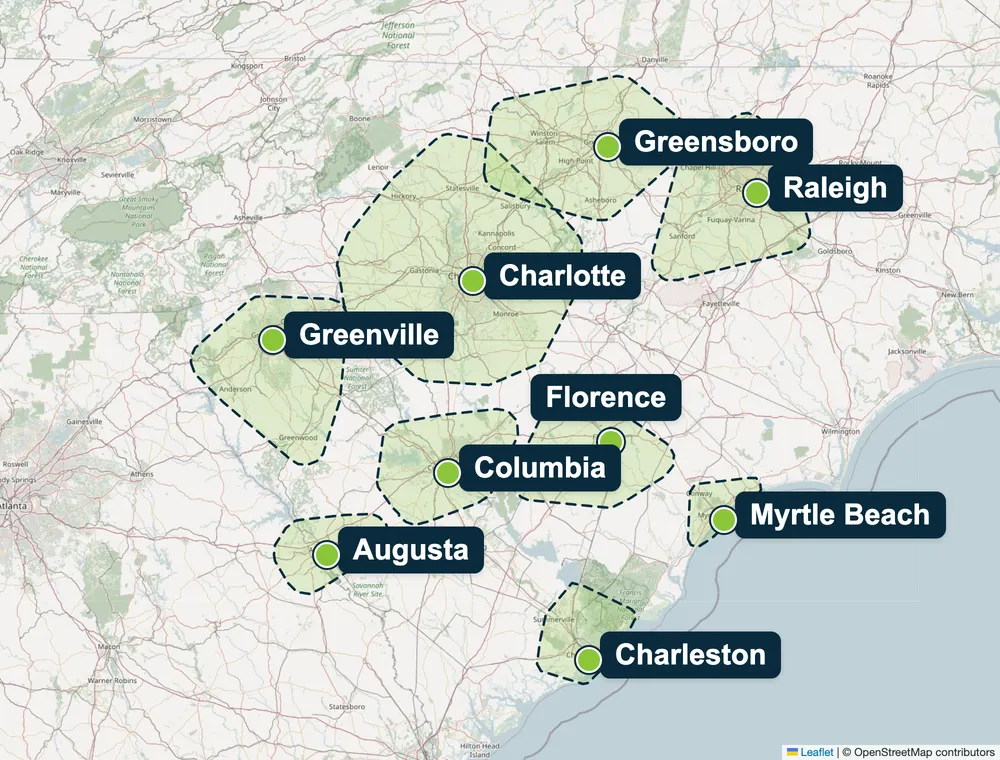
- We are locally owned and operated – We live and work in the Charlotte, NC area and understand the specific climate challenges of homes in the Carolinas and Southeast
- We offer transparent pricing – Free inspections, free estimates, no hidden fees, and clear communication throughout every project
Our Service Promise
At Air Flow Solutions, every attic insulation project is handled with professionalism, attention to detail, and genuine care for your home’s performance. We stand behind our work and are not satisfied until you are.


Attic Insulation and Air Sealing
Insulation works best when combined with proper air sealing. Small gaps around attic penetrations, vents, and light fixtures allow conditioned air to escape. During installation, we evaluate these areas and recommend improvements where necessary.
Sealing air leaks enhances insulation performance and further improves energy efficiency.
Why Homeowners Choose Air Flow Solutions
Air Flow Solutions focuses on professional evaluation and accurate installation. We do not simply add material without assessing the overall system.
Homeowners choose us because:
• We provide detailed attic inspections
• We evaluate ventilation and airflow
• We install insulation evenly and correctly
• We explain our findings clearly
• We focus on long term performance
Our approach ensures improved comfort without unnecessary upgrades.